Strawberry
It is a tropical, perennial herbaceous plant in the Bromeliaceae family known for producing a large, edible, multiple fruit. It is characterized by its, fibrous, juicy yellow flesh, a spiky rind, and a leafy crown. Native to South America, it is highly valued for its sweet, tangy flavor, and contains bromelain, an enzyme that aids in protein digestion.
- Rich in antioxidants (vitamin C, anthocyanins, ellagic acid, quercetin)
- Boosts heart health (lowers LDL cholesterol, improves blood pressure, reduces inflammation)
- Strengthens the immune system (high vitamin C content)
- Helps regulate blood sugar (low glycemic index, improves insulin sensitivity)
- Supports digestion and gut health (high in dietary fiber)
- Promotes skin health (vitamin C supports collagen, antioxidants protect from aging)
- Provides anti-inflammatory benefits (reduces risk of chronic inflammatory diseases)
- Aids in weight management (low in calories, high in water and fiber)
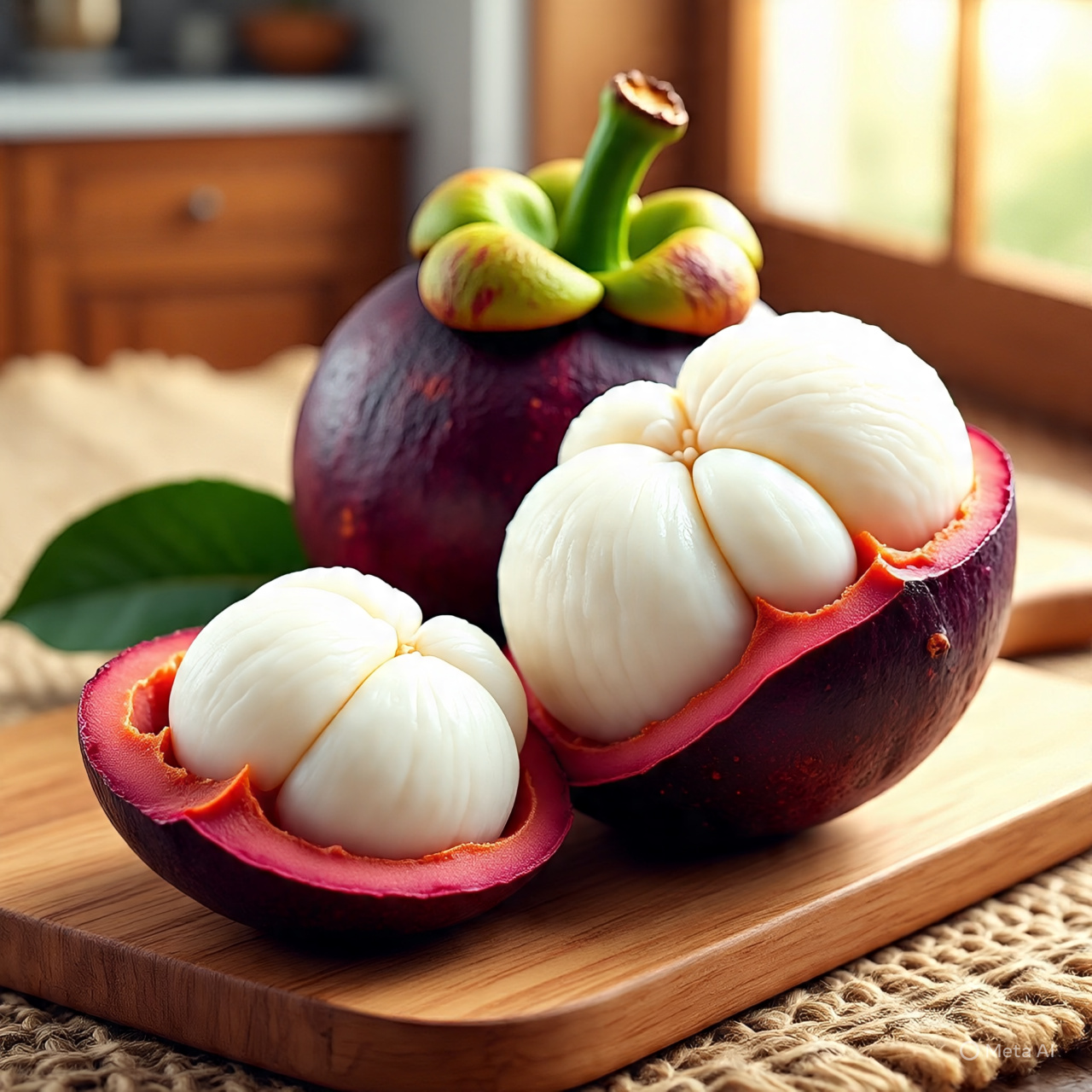
Mangosteen
It is a tropical,, sweet-tart fruit known as the "queen of fruits," featuring a thick, deep purple rind (pericarp) and juicy, white, segmented flesh. Native to Southeast Asia, it is rich in antioxidants, specifically xanthones, and is often eaten fresh, juiced, or used in traditional medicine.
- Rich in antioxidants (xanthones) that protect cells from damage
- Helps reduce inflammation in the body
- Strengthens the immune system (high vitamin C content)
- Supports immune system health
- Promotes heart health by helping reduce bad cholesterol
- Aids digestion due to fiber content
- May help regulate blood sugar levels
- Supports skin health and helps fight acne
- Supports weight management (low in calories, high in nutrients)
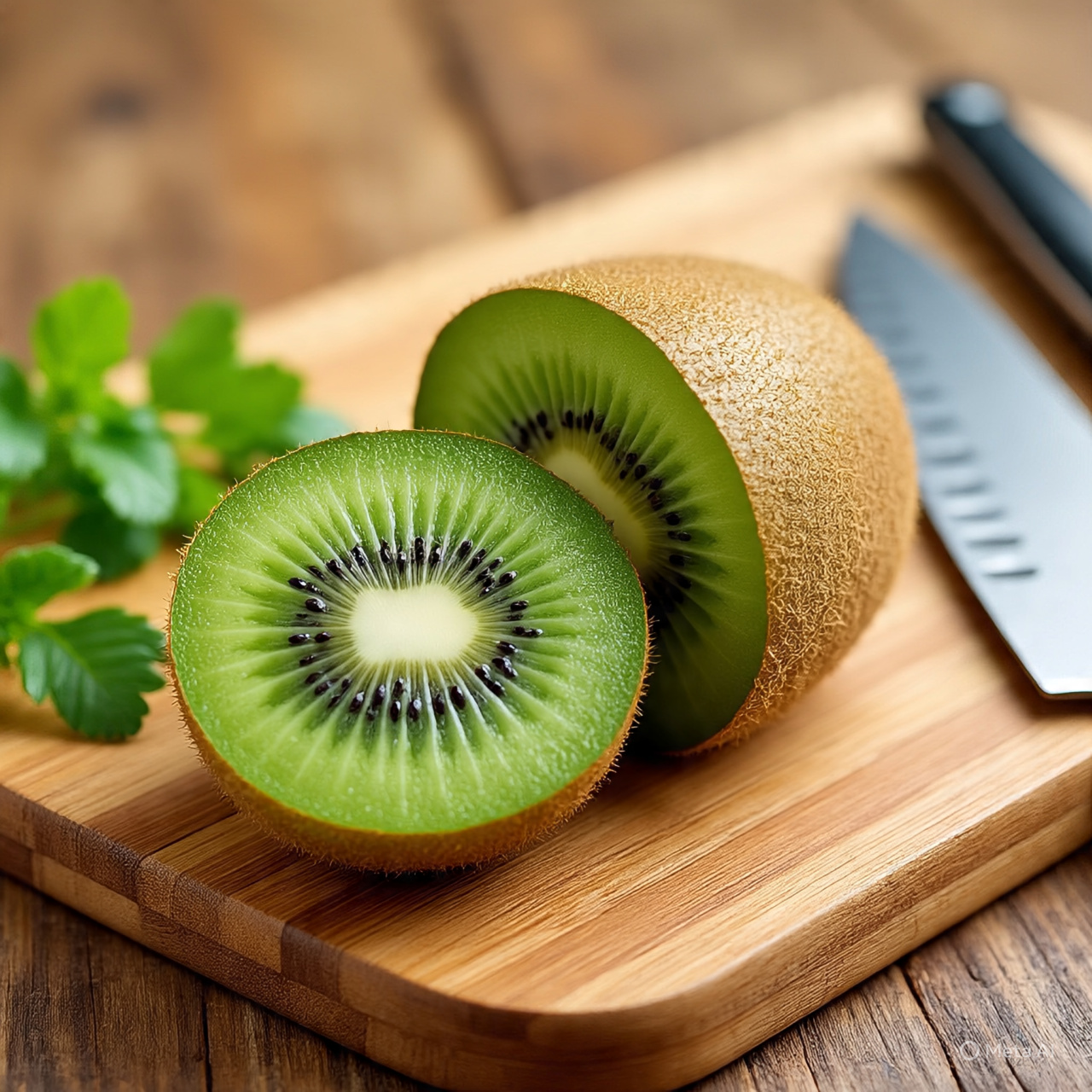
Kiwifruit is a small, nutrient-dense berry from woody vines (Actinidia species), characterized by fuzzy brown skin, bright green or golden flesh, and tiny black, edible seeds. Originating in China and famously grown in New Zealand, it has a sweet, tangy flavor often described as a blend of strawberry, banana, and citrus. It is highly nutritious, packed with Vitamin C, Vitamin K, fiber, and antioxidants.
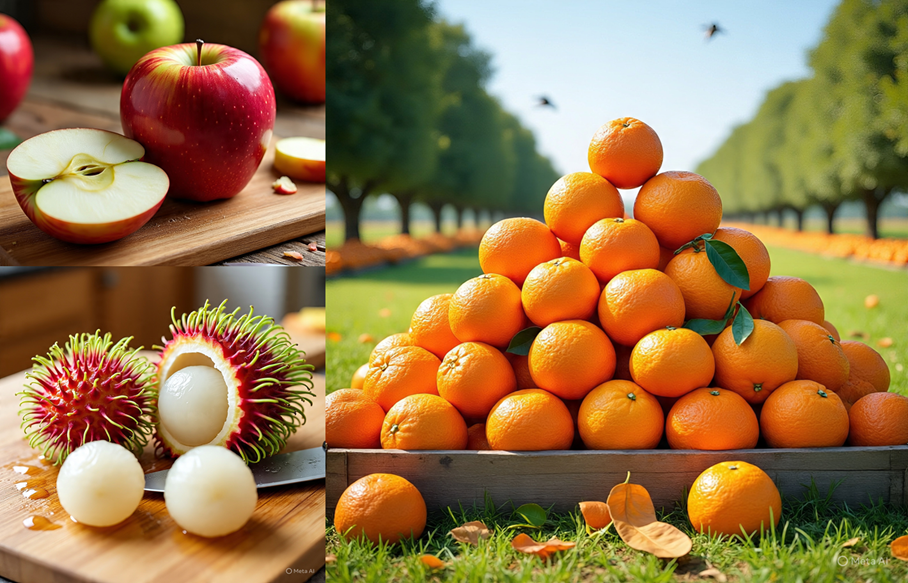
Fruits are crucial for health, providing essential vitamins, minerals (like potassium, folate), fiber, and antioxidants that support immunity, digestion, and heart health while lowering risks for chronic diseases like cancer, diabetes, and stroke, often being low in fat and calories, making them ideal for weight management and overall well-being. Eating a variety of colorful fruits ensures a broad spectrum of nutrients for a balanced diet.

Bananas are elongated, edible, nutrient-dense berries produced by giant herbaceous plants in the genus Musa. Cultivated in tropical climates, they are a major global staple, often eaten fresh (dessert bananas) or cooked (plantains). They are renowned for being high in potassium, fiber, vitamin B6, and Vitamin C.